Plan Your Mount Etna Hike
Europe’s most active volcano , dramatic craters, lava fields, and Sicilian landscapes above the Ionian coast

Europe’s most active volcano , dramatic craters, lava fields, and Sicilian landscapes above the Ionian coast
Plan access and guided options for Mount Etna. Use the official park or climb site for permits, fees, and safety rules. Use a trusted partner for guided hikes, transfers, and day tours with mobile tickets. Confirm altitude, weather, and inclusions before you book.

Best for Etna Park zone rules, trail access, and activity notices when the volcano is restless.
Useful for licensed guides, cable-car or transfer packages, skip-the-line park entry where offered, and flexible cancellation on many Headout listings.
Choose the official site for permits and park rules. Choose a partner tour when you want logistics handled (pickup, guide, timed entry) on a short trip.
Hand-picked Mount Etna hikes and day tours. Prices and availability update on the partner site; confirm altitude, duration, and inclusions before you book.
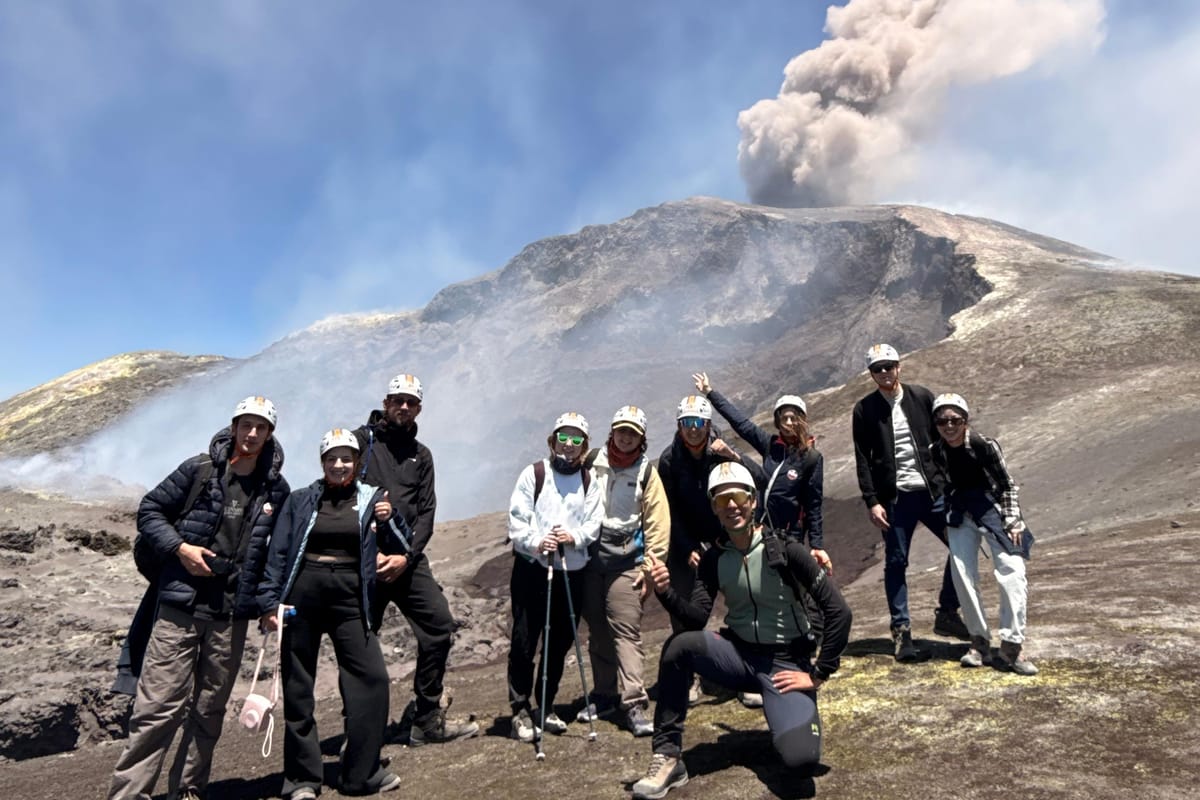

Guided trek among the summit craters at about 3,400 m, with Catania pickup. Helmet, boots, and jacket included. 5 hours.
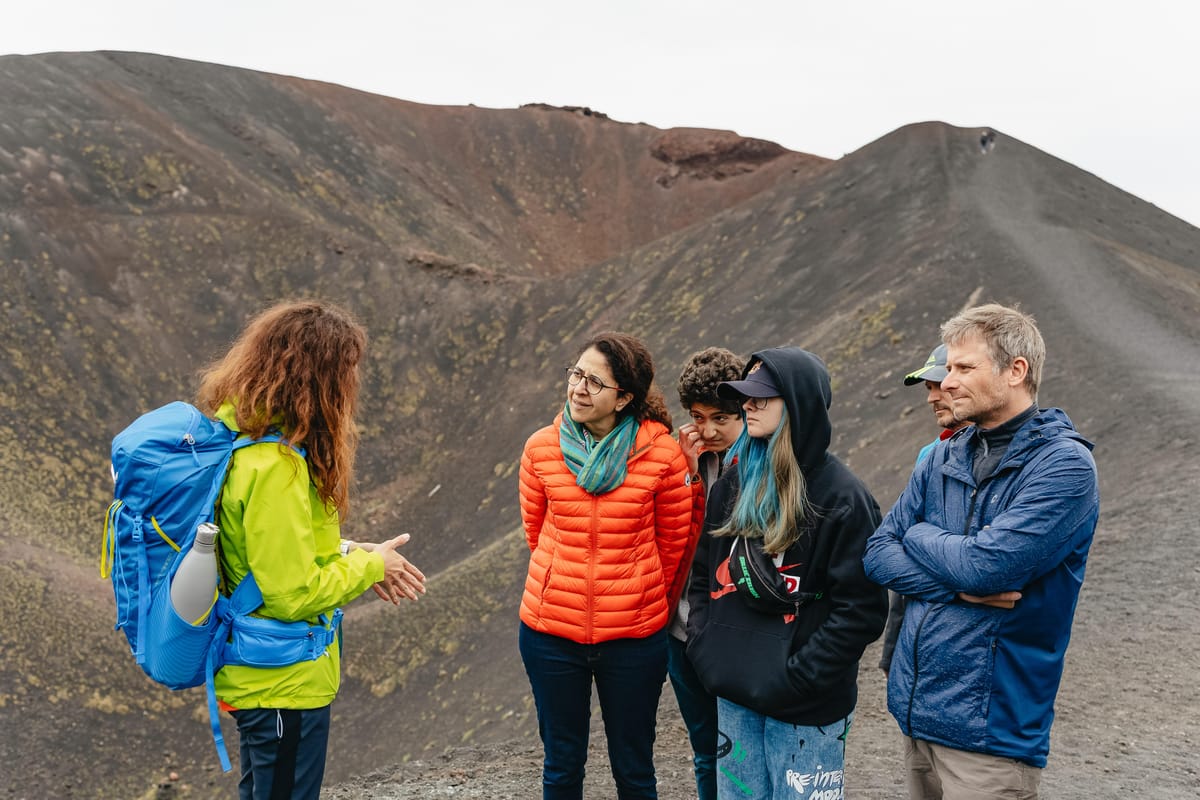

Small-group morning or sunset trip from Catania with a crater walk, a lava cave, and a tasting. Pickup included. 6 hours.
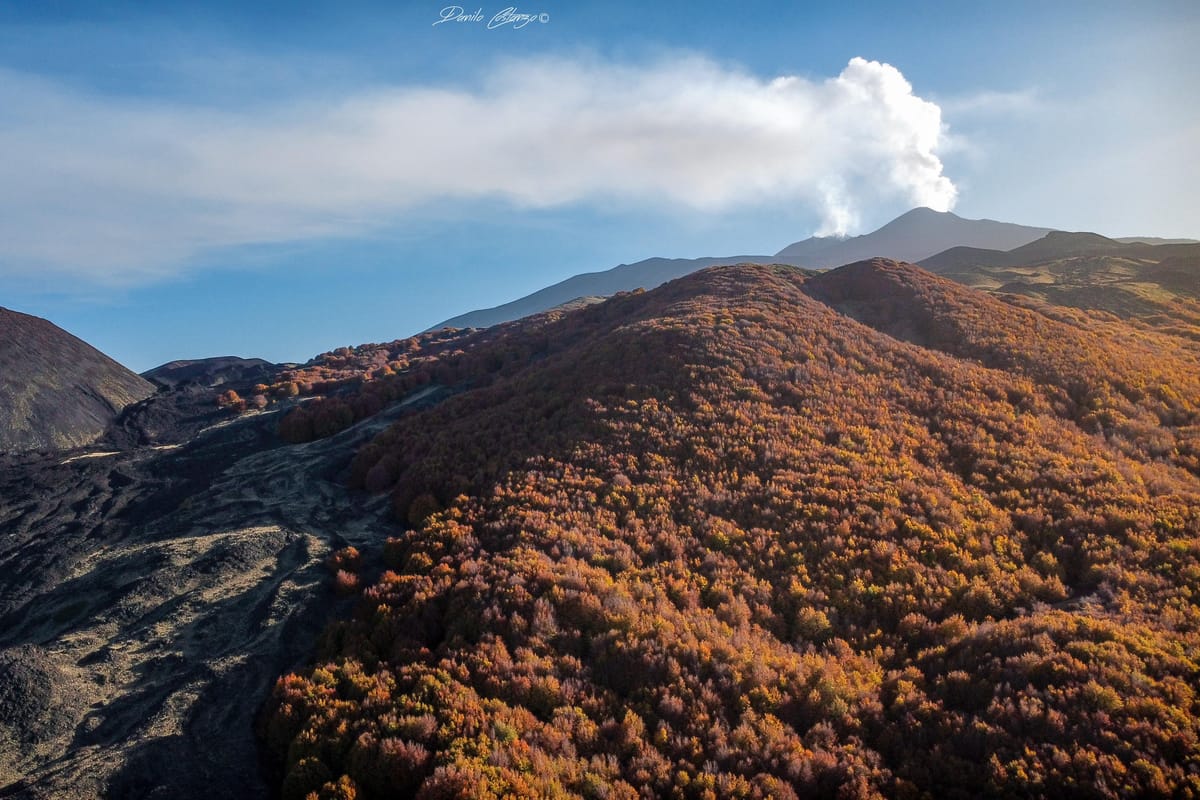
Guided Etna hike to about 2,000 m, lunch at a winery, and time in the Alcantara gorges. Pickup from Catania. 8 hours.

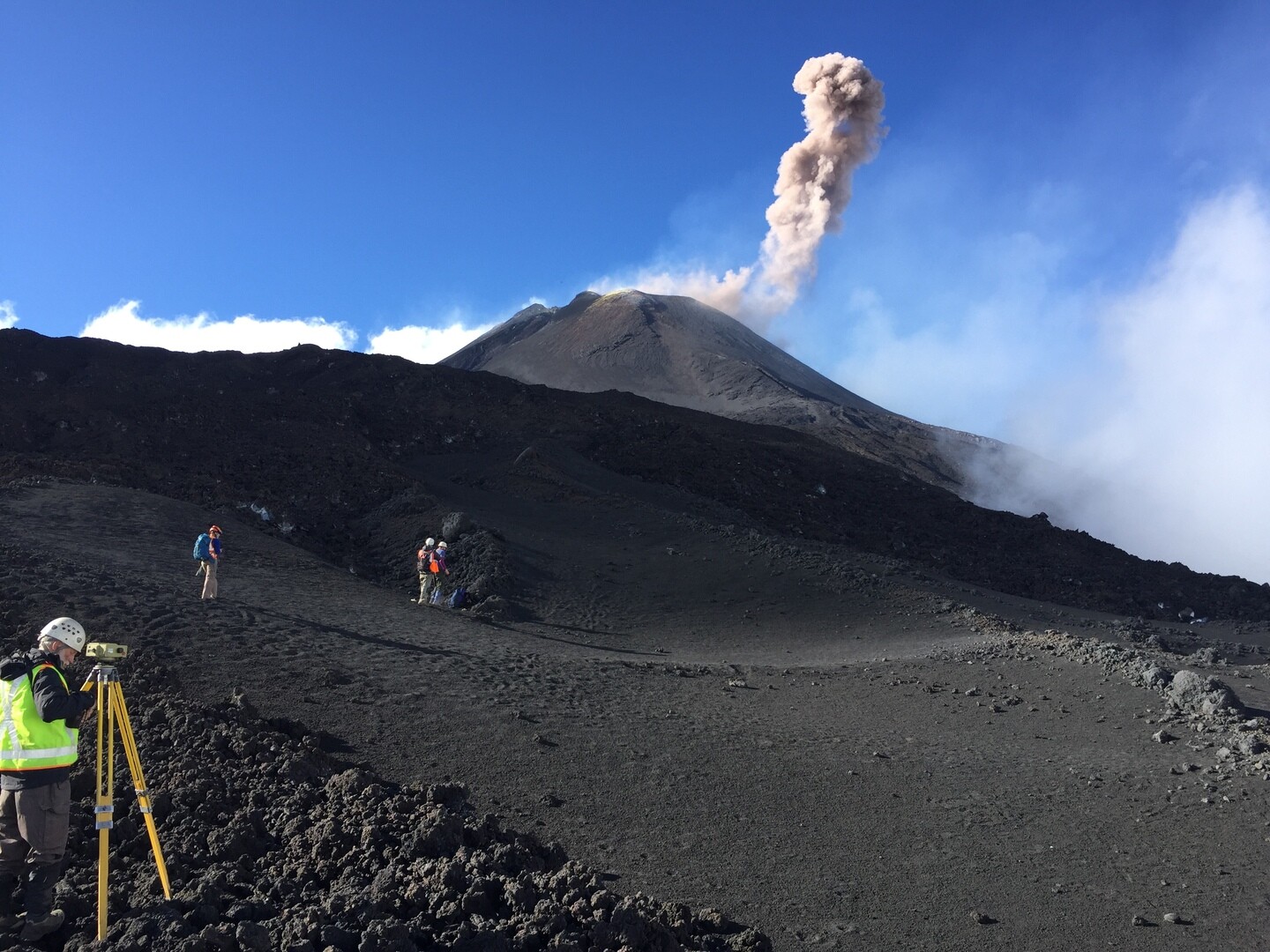
Stand on the slopes of Mount Etna, Europe’s tallest active volcano, with sweeping views over Sicily and the Ionian Sea.
Walk across black lava fields, extinct craters, and chestnut forests shaped by centuries of eruptions.
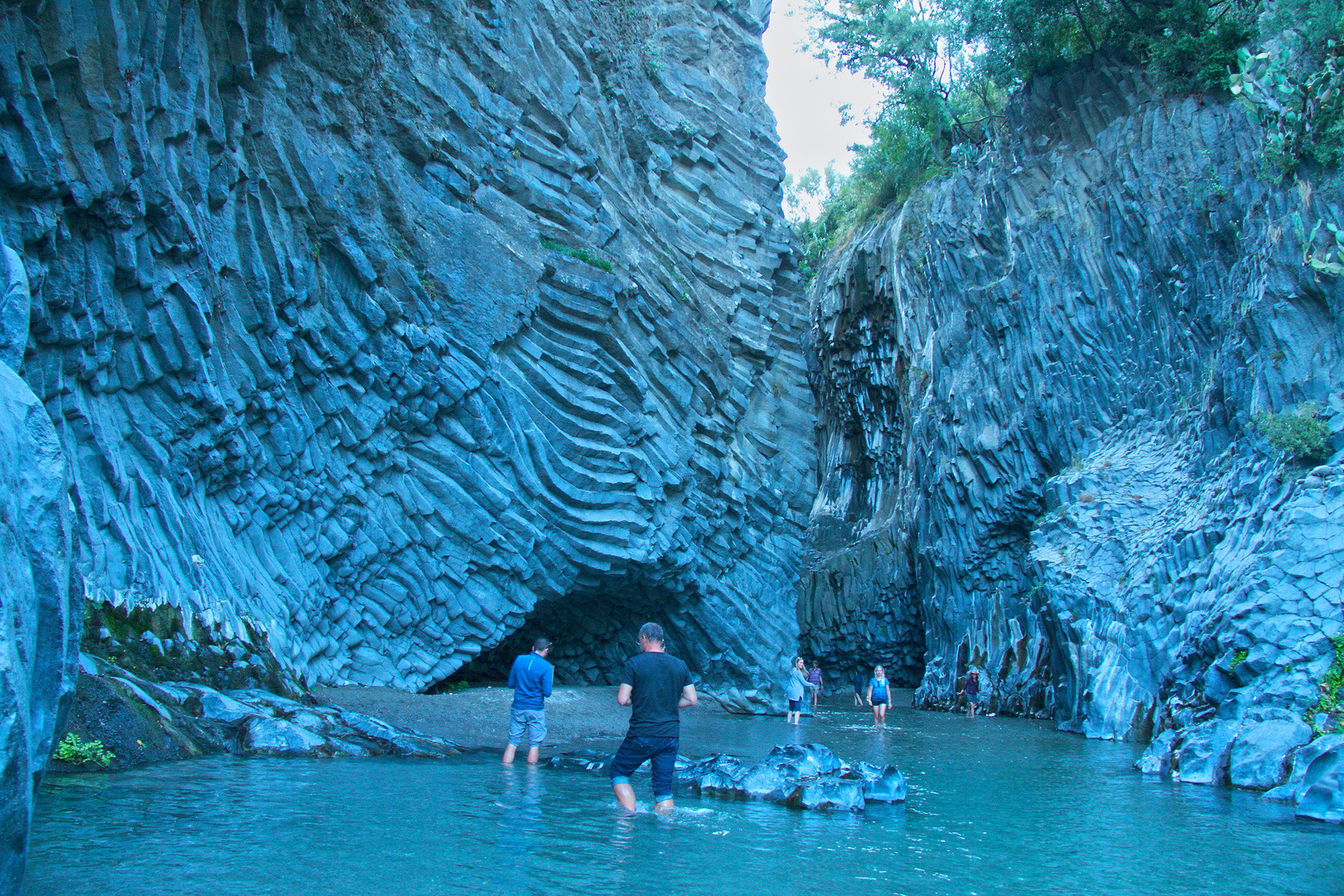
Explore the Alcantara Gorge, mountain villages, and,when conditions allow,witness Etna’s glowing summit activity from safe viewpoints.
Routes open and close with eruptions and ash. Only use authorized paths and guides for higher zones.
Loose scoria is slippery. Wear boots with grip and carry eye protection on windy days.
Higher trails gain elevation fast. Pace yourself, carry water, and pack a warm layer even in summer.
Conditions change. Confirm trail status, weather, and access rules on parcoetna.it before you go.
Main south-side hub with cable car and lower crater walks.
Easy volcanic cones near the road, good warm-up terrain.
Extends access toward higher elevation when open.
Guided higher routes when volcanic activity allows.
Popular nearby gorge walk often combined with Etna days.
Hidden lava caves • baroque churches • city history beneath the streets
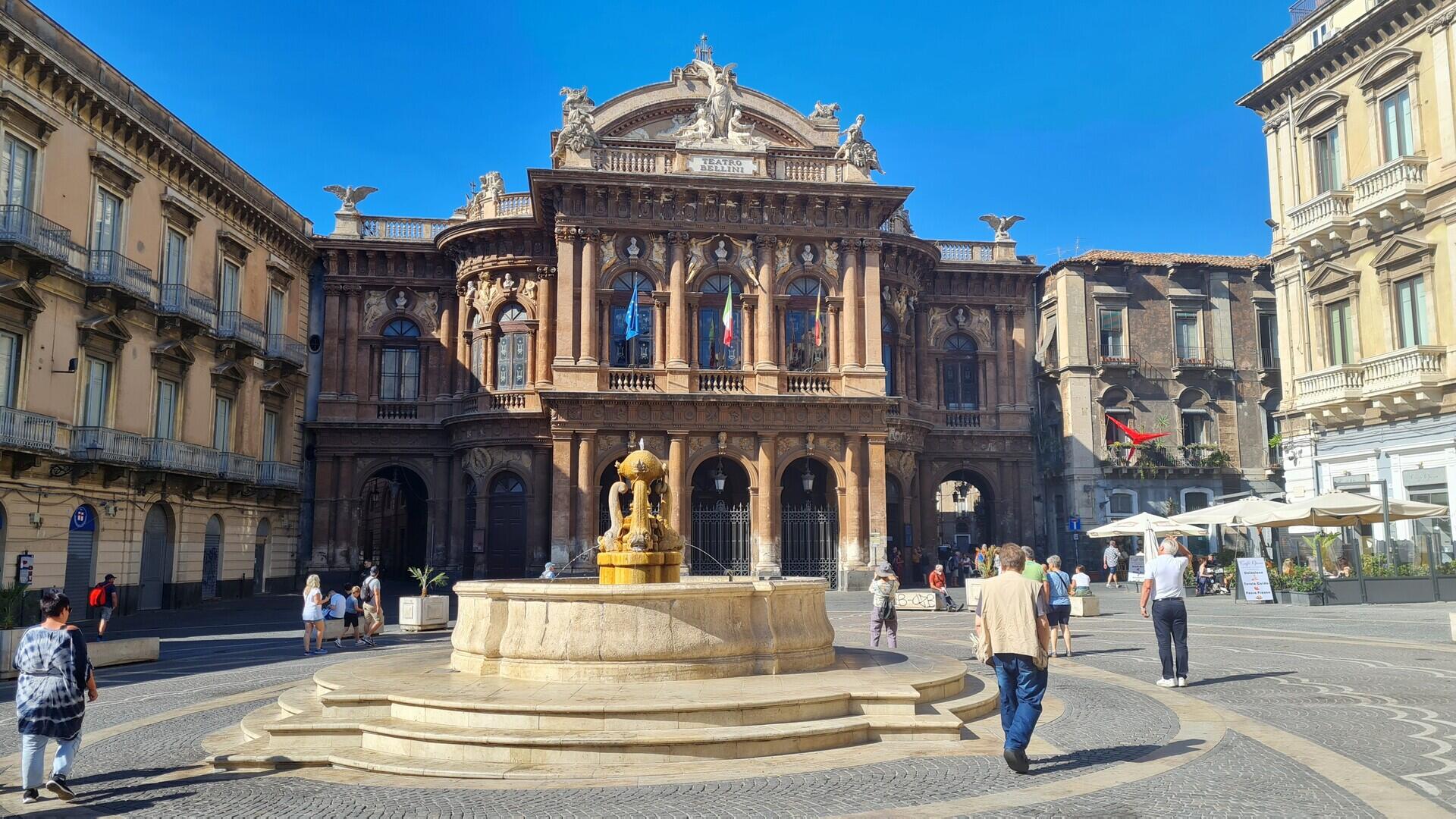
Historic opera house • elegant interiors • concerts & performances
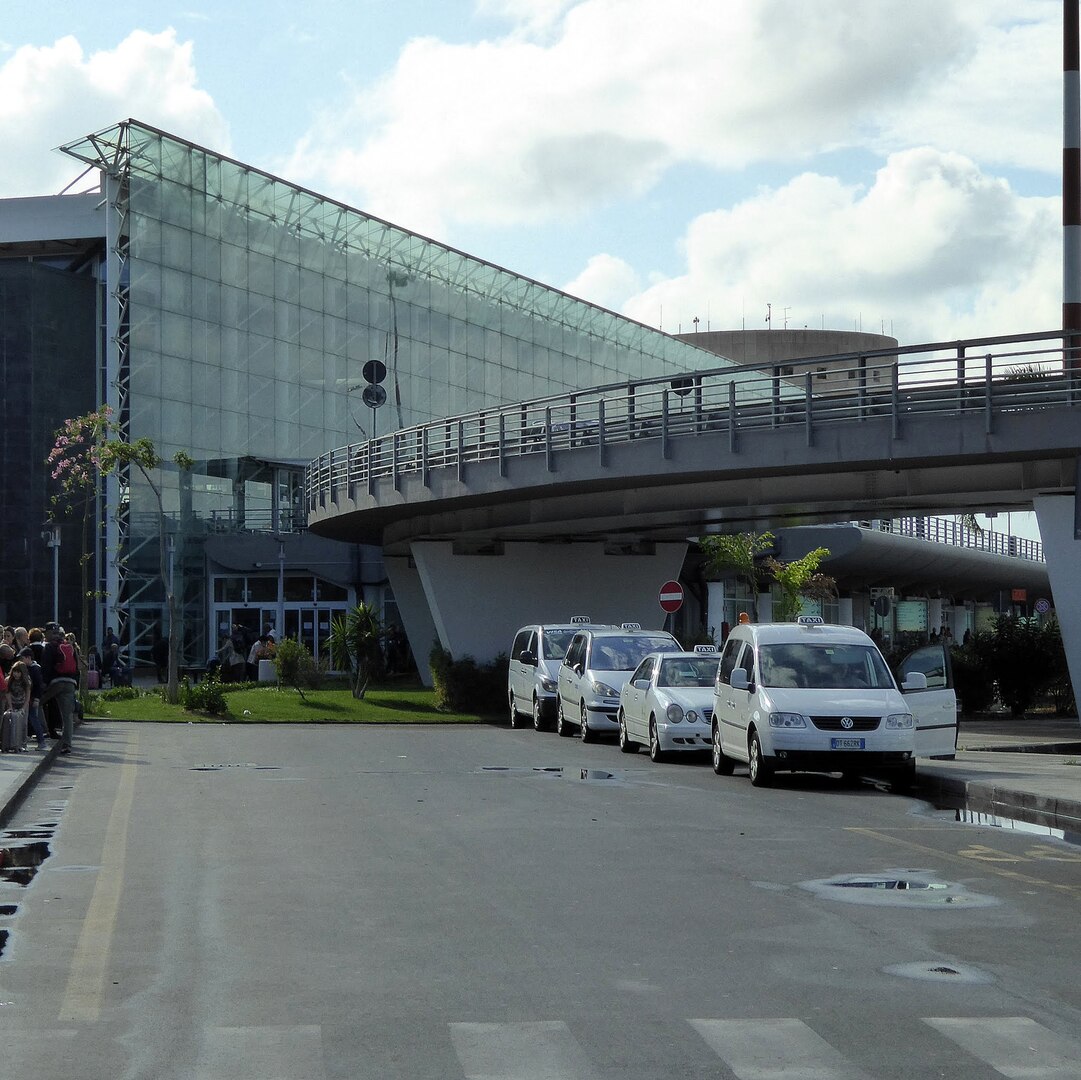
Transfers between Catania Airport, Mount Etna, and Sicilian coastal towns
What should I wear for hiking on Mount Etna?
Wear sturdy hiking boots, warm breathable layers, and a windproof or waterproof jacket. Volcanic terrain is uneven and conditions can shift quickly with altitude.
Are the trails family friendly?
Yes. Lower trails, short crater walks, and cable car viewpoints can be suitable for families. Summit-area hikes require good fitness and going with a licensed guide.
Are there fees to visit Mount Etna?
Access to many areas of Mount Etna is free, but there are costs for cable cars, jeeps, guided hikes, and certain attractions. Check what’s included before you book.
When is the best time to visit?
Spring (April-June) and autumn (September-October) usually offer comfortable hiking conditions. In winter you may find snow and even ski runs; summers can be hot at lower elevations.
Can I photograph the volcano and eruptions?
Yes, Mount Etna is very photogenic. Always keep to marked safe zones, follow your guide’s instructions, and never approach active vents or closed areas.
Is Mount Etna accessible?
Some lower viewpoints, visitor centers, and cable car stations offer step-free or limited-mobility access. Check with local operators for up-to-date accessibility details.
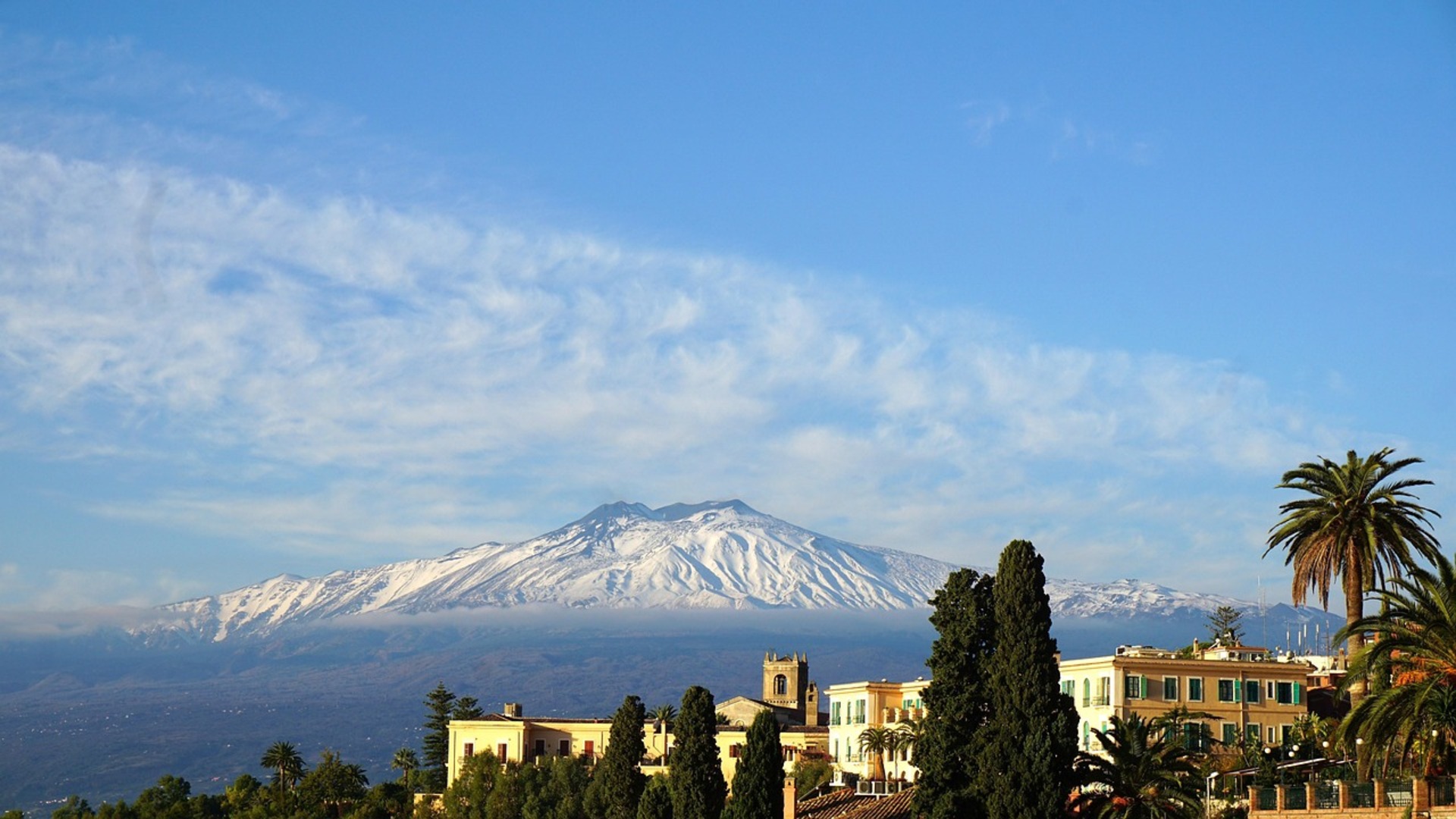
Mount Etna rises above the eastern coast of Sicily and is one of the world’s most active volcanoes. Its eruptions have shaped the island’s landscapes, villages, and stories for thousands of years, creating a mosaic of lava fields, forests, and fertile vineyards.
Designated a UNESCO World Heritage Site, the park offers summit-area craters, ancient lava flows, forests, and river gorges like Alcantara. Visit with local guides, respect safety advice, and experience the unique mix of geology, culture, and Sicilian hospitality.